





Open concept floor plans are a controversial topic in today’s real estate market. Some homeowners love open concept layouts, and others can’t wait for the trend to be over.
Open concept homes combine multiple living areas into one large space. In a typical open concept layout, the kitchen flows seamlessly into the dining and living areas. Like all designs, this scheme has its pros and cons. If you’re in the market as a buyer or seller, you should understand the benefits and drawbacks of open concept living.
Pros of Open Concept Floor Plans
Open concept floor plans started to rise in popularity in the second half of the 20th century. By the 1990s, open concept homes were widely beloved and had become the standard for new constructions. Here are some of the key reasons homeowners enjoy open concept plans:
Makes Small Homes Feel Roomier
In smaller homes, closed-off rooms can make the space feel cramped or claustrophobic. An open concept floor plan, on the other hand, helps a small house feel spacious.
Not only can this improve your experience living in the home, but it can boost the property’s resale value. At first glance, an open concept home will look larger to prospective buyers than a closed concept home of the same size.
Better Lighting
Natural light is one of the most highly sought-after features in a home. You can’t control where your house is located, and you can’t control where the sun comes up. In a closed concept home, rooms that have few windows or face the wrong direction will never get good natural light.
With an open concept home, light travels easily from one side of the house to the other. Most homeowners agree that natural light is far preferable over artificial light, so the open concept layout can make for a better living experience overall.

Flexible Layout
With fewer walls and doors interrupting the space, you have more flexibility with how you arrange your furniture. You can create different zones in the open space for your dining area, living room, or workspace, and you have full control over how these areas flow into one another. For creatively minded homeowners, the open floor plan can be an exciting blank canvas.
Streamlined Flow of Traffic
Moving from room to room in an open concept home is much easier than having to navigate hallways and doorways. With an open concept layout, you can seamlessly transition from the kitchen to the living room and back again with just a few steps. This can be especially valuable for parents who are constantly chasing their kids from place to place.
Easier Communication
Just like it’s easier to physically move from space to space in an open concept home, it’s also easier to communicate across the house. You can call from the living room to the kitchen without having to shout through walls.
Great for Hosting
Homeowners who enjoy hosting tend to prefer open concept floor plans. Holiday gatherings and other parties flow seamlessly when hosted in an open space.
You can prepare food in the kitchen while still enjoying the company sitting in the living room. Guests can go to the refrigerator to get a drink without having to remove themselves from the conversation. People can spread out across the living and dining areas without being completely sectioned off from one another.
Cons of Open Concept Floor Plans
While open concept homes offer a lot of benefits, they also have their drawbacks. Here are some reasons the open concept floor plan is starting to fall out of favor with home buyers:
Privacy Concerns
Open concept plans are great for hosting parties and keeping an eye on your kids, but they also eliminate privacy. You might prefer to have some peace and quiet in the kitchen while everyone else chats in the living room. If one area is messy, it’s impossible to conceal from guests. For better or worse, these layouts leave everything out in the open.
Temperature Control Challenges
Temperature control can be influenced by a number of factors, including the size of your house and the age of your HVAC system. However, closed concept homes tend to be more energy efficient than open concept spaces.
Enclosed rooms are generally cheaper to heat and cool. It’s easier to customize your home’s temperature in a closed concept home as well, which also improves energy efficiency. For instance, you might prefer to set a lower temperature in the kitchen and a higher temperature in a living room. With an open concept layout, these slight adjustments are impossible.
Lack of Storage
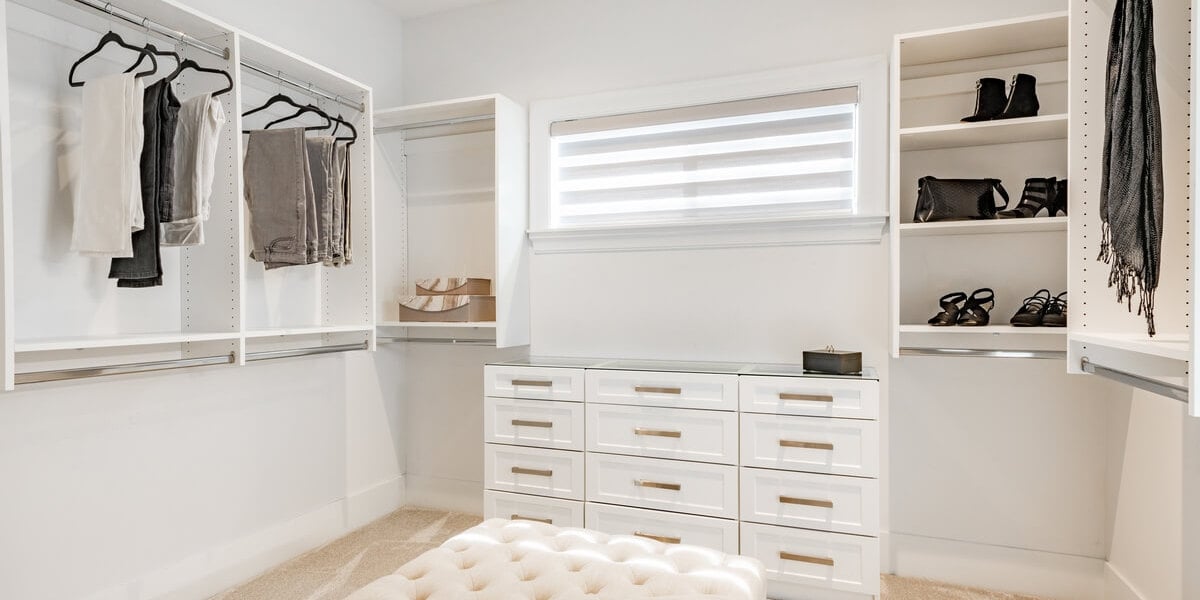
Closed concept layouts tend to offer more opportunities for closets and shelves. Open concept homes can lack sufficient storage. Because it’s harder to conceal mess in an open concept space, the lack of storage can be especially challenging.
Noise Difficulties
An open floor plan makes it easier to communicate across the house, but this also means that you’ll hear everything all of the time. If the TV is on in the living room, the noise will carry to the kitchen and dining area. Some homeowners find the noise in an open plan to feel chaotic and overwhelming.
Need for Cohesion
When your living room, kitchen, and dining area are all in a shared space, you have fewer options for decor. There needs to be a common theme or color scheme across the home to create cohesion. In a closed concept home, each room is a separate area that can be decorated uniquely.

How to Market Your Open Concept Home
Open concept homes used to be widely preferred over closed concept. In recent years, the public opinion on these layouts has shifted. Today, home buyers are split on whether they want an open or closed concept house.
If you’re selling an open concept home, you need to appeal to the right pool of buyers. Fortunately, if you market to the right demographic, you should find plenty of buyers who love the open layout.
Open concept homes can be very appealing to growing families and parents of young children. Caregivers value the ability to supervise their kids from any point in the open space. These layouts are still popular among people who enjoy hosting, too.
When you and your agent prepare your listing, showcase all the benefits the open floor plan offers to these buyers. Take photos from multiple angles so prospective buyers can see how the zones flow into one another. In the listing description, mention that the house offers a wonderful space for gathering. Maximize the natural lighting by opening the blinds and removing heavy or dark curtains.
Open concept living has its pros and cons, but many homeowners still prefer open layouts. If you’re putting your home on the market, lean into the functional benefits of the open floor plan. If you’re thinking about buying an open concept home, consider whether the spaciousness and flexibility of the space outweighs the lack of privacy. Buyer and sellers can always consult with a trusted real estate agent to learn more about the advantages and downsides of an open concept home.